
Access control systems record movement. CCTV captures thousands of hours of footage. Threat intelligence platforms issue alerts around the clock. Incident reports, visitor logs, cyber monitoring, travel advisories and business continuity updates all add another layer to an already crowded picture.
So, here’s the question:
If organisations have never had more information available, why do so many still struggle to make timely, confident security decisions?
The answer isn’t a lack of technology.
The answer is no; better decisions come from turning the right information into meaningful intelligence, supported by professional judgement and effective security processes.
“The essence of the independent mind lies not in what it thinks, but in how it thinks.”
– Christopher Hitchens
Twenty years ago, the challenge was collecting information. Today, the challenge is deciding which information matters. Security professionals are expected to distinguish genuine risk from background noise, often within minutes and sometimes with incomplete information. Every delayed decision carries consequences but acting too quickly without context can be just as damaging.
Information is Everywhere (But Security Intelligence Is Rare)
Most organisations have invested significantly in security technology over the last decade. Access control has become smarter. CCTV has become more intelligent. Sensors are more capable. Analytics are more sophisticated than ever before. Yet many security teams continue to work across disconnected systems.
Physical security, cyber security and operational teams often work from separate platforms. Information is stored in different places, reported in different formats and interpreted independently. Valuable intelligence exists, but it remains fragmented.
What’s the Cost of Information Overload?
Security has entered an age of information abundance. Every incident, movement and anomaly can be recorded, analysed and reported in real time.
When every system competes for attention, prioritisation becomes increasingly difficult. Teams spend valuable time validating information, switching between platforms and piecing together fragmented insights before they can respond with confidence.
The organisations that perform best aren’t necessarily those with the most technology. They’re the ones that have found ways to transform information into clear and actionable intelligence.
Simply introducing more technology does not solve this problem. When systems operate independently or produce information without sufficient context, they can create complexity rather than clarity. Effective decision-making depends on presenting the right information to the right people at the right time, enabling them to assess risk with confidence instead of navigating disconnected streams of data.
For many organisations, the real opportunity lies not in collecting more information but in making better use of the intelligence they already possess. Integrating systems, improving information sharing and establishing clear processes can transform data from a collection of isolated inputs into meaningful insight that supports timely and proportionate action.
Packaging Security Intelligence into Better Decisions
Information has little value unless it leads to informed action. While technology plays an increasingly important role in identifying risks and highlighting patterns, effective security still depends on the ability to interpret that information within the context of an organisation’s people, operations and objectives.
Turning insight into action requires more than sophisticated platforms or intelligent analytics. It calls for a clear understanding of risk, well-defined governance and the confidence to make decisions based on evidence rather than assumption. Technology can provide visibility, but it is professional judgement that determines how organisations respond and whether those responses are proportionate with timing and efficiency.
Ultimately, successful security is measured not by the amount of data an organisation collects, but by its ability to transform that data into decisions that protect people, assets and operations. In the increasing threat complexities ecosystem, the organisations that will be best prepared are those that can combine technology and experience for collaboration with sound professional judgement.
Continuing the Conversation
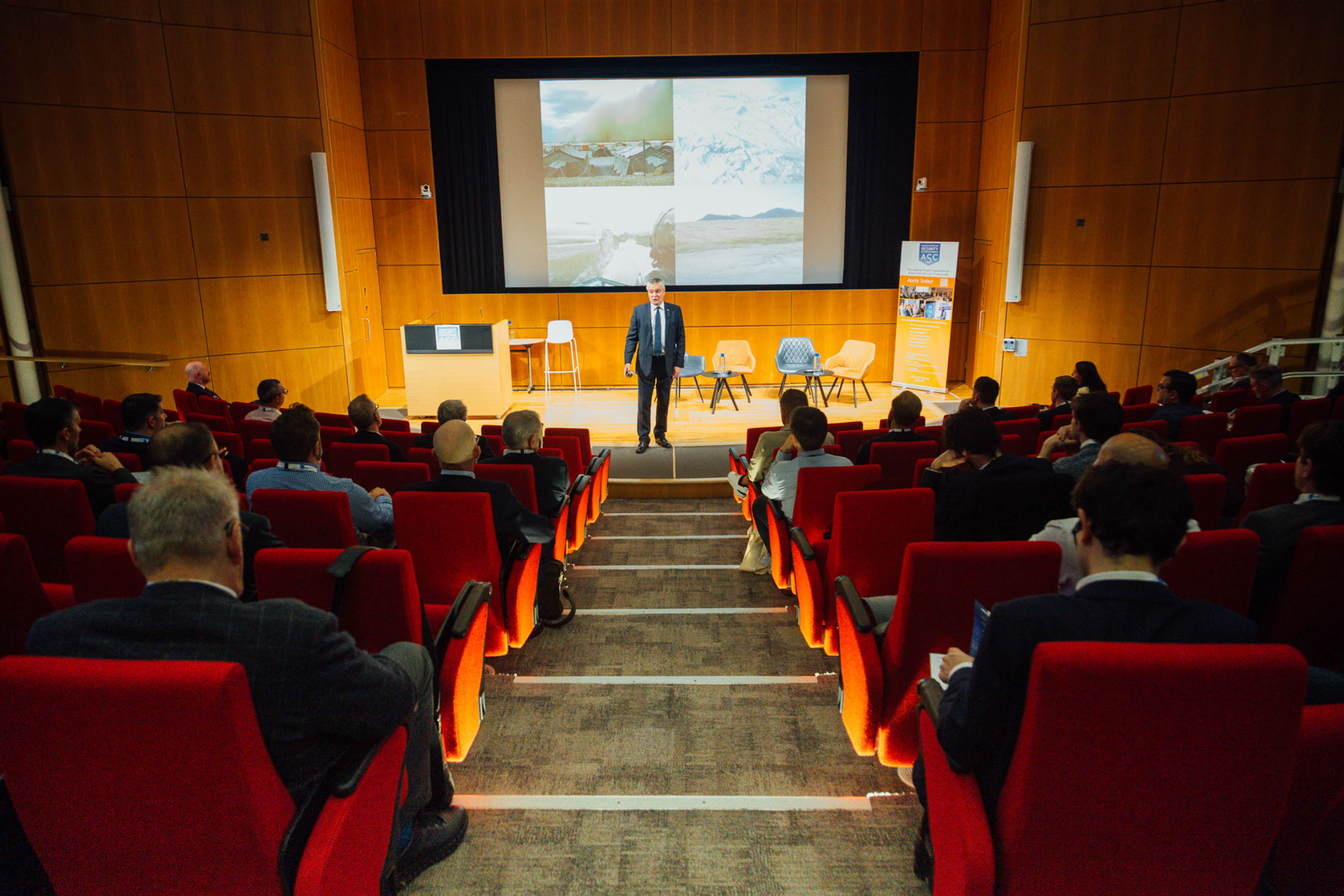
These questions sit at the heart of the ASC Summer Seminar 2026, taking place on 3rd September at the British Library Knowledge Centre.
Under the theme “From Insight to Action: Enhancing Decision Making Through Modern Security Technologies,” the seminar will examine how security professionals can make better operational decisions in increasingly complex environments.
Rather than focusing solely on new technologies, the programme explores how organisations can use them more effectively. The seminar also reflects the Association of Security Consultants’ wider priorities around professional development, governance, strategic growth, the SABRE Accreditation Scheme and support for the Chartered Security Professional (CSyP) pathway.
Join fellow security consultants, risk managers and industry leaders at the ASC Summer Seminar to investigate practical approaches to security executive determination. Register your interest now: https://ascuk.org/event/asc-summer-seminar-3rd-september/